

Gas Nitride case hardening is a method of imparting very high hardness to the surface of steel alloys and is used to harden a vast array of components for many different applications. The main reason for increasing the hardness of a component is for longevity, especially in areas of high and frequent friction, a list of benefits can be found further down the page.
It is a ferritic thermochemical case hardening treatment which is widely used for precision engineered components to improve wear, corrosion and fatigue properties. During the process nitrogen is diffused into the steel surface where it combines with alloying elements such as chromium, aluminium, molybdenum and titanium to form a fine dispersion of alloy nitrides. These precipitates strengthen the surface region and introduce beneficial compressive stresses at the surface. The relatively low temperature of nitriding, usually in the range 480-570 °C allows fully stabilised, hardened and tempered components to be surface hardened with only minimal risk of distortion and dimensional variations enabling them in most cases to be used without further grinding or lapping. The components core properties are not affected by the nitriding process provided the final tempering temperature for the product was higher than the nitriding process temperature.
The most common alloys we process are: BS970: 722M24 (EN40B), BS970: 905M39 (EN41), BS970: 897M39 (EN40C), BS 970: 708M40/709M40 (EN19), BS970: 817M40 (EN24) Some tool steels which are suitable for nitriding include: H13, P20, D2, H10A, H21
The achievable hardness ranges from around 50 Rockwell C, up into the early 70s depending on which alloy is used and case depths can range from around 0.002”(0.05mm) up to around 0.030”(0.75mm) but typically not more than 0.018”-0.020” unless there is a specific requirement. The greater the case depth, the longer the components need to be processed for, ranging from around 6 hours at temperature up to, and occasionally over 100 hours.
Another unique benefit of the gas nitriding process is that specific areas of the component can be masked off with a special masking paint to prevent the hardening process on these areas. The component may have further machining done post nitride or there may be additional coatings to be applied after nitriding which adhere better to the unhardened steel surface.
The process increases wear resistance whilst maintaining the components form and dimensional accuracy. Many complex or slender components can only be hardened by this process due to their structure, and the relatively low heat treatment temperature reduces distortion to an absolute minimum, especially if the parts are stress relieved before nitriding. For thicker cases, typically no more than 0.020”(0.5mm), slight growth may be encountered but this will only be a few microns.
Benefits of Gas Nitriding:
MASKING OFF
The masking off process allows the nitriding to be area specific if required. Specialist paint is applied to the areas which are not to be hardened. Many components we receive require masking off and the work can be very intricate so great care is taken to ensure accuracy.
If required, we have a shot blasting service which will remove this paint before we return components to customers.
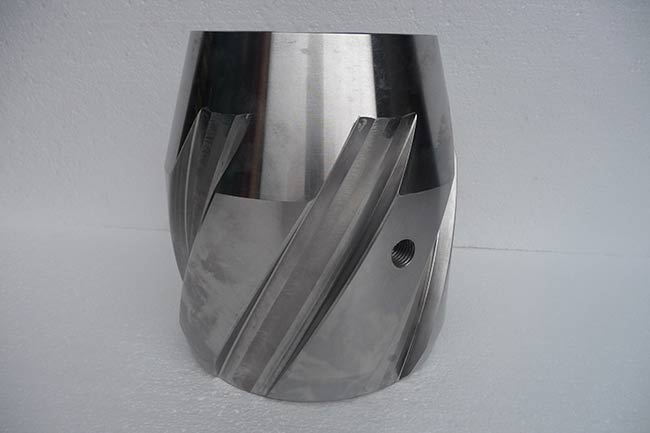
Components are cleaned and degreased to remove any contamination.
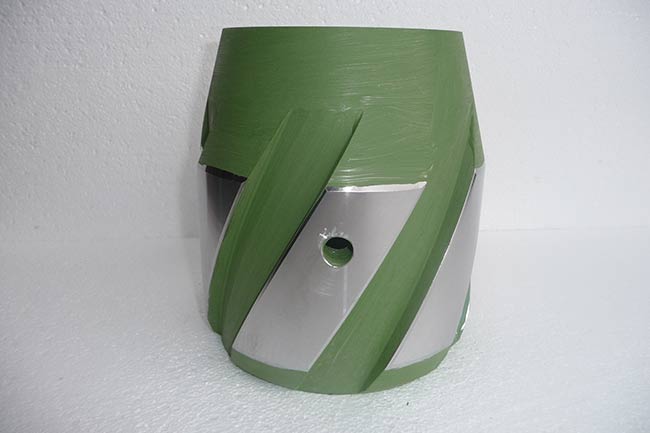
Some components require masking off paint which covers any areas of the parts which do not require hardening. The paint protects the area from the hardening process.
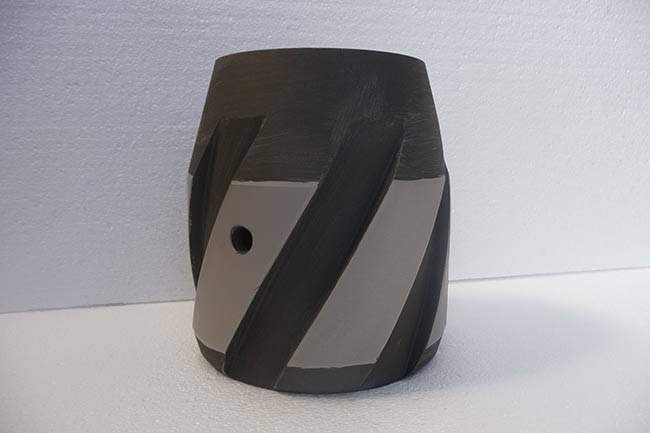
Components are loaded into the furnace, and the nitriding gas is fed in to begin the hardening process. The firing time is dependant on the spec or case depth required. Once the parts are removed they are tested for hardness.
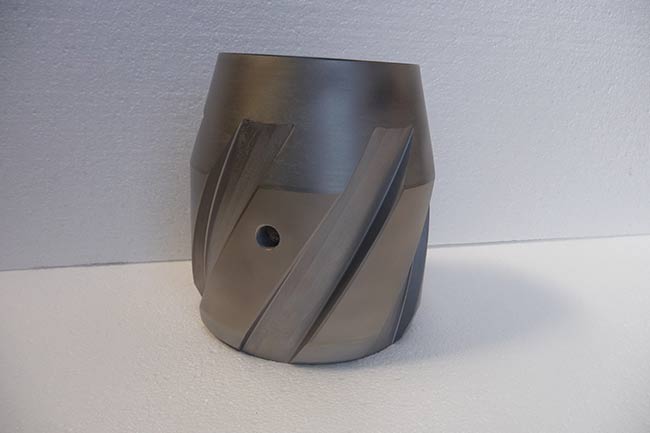
If required the component can then be shot blasted to removed any masking paint.